Multilingual Meetings in OLVA: Live AI Help Beyond English
OLVA is not English-only
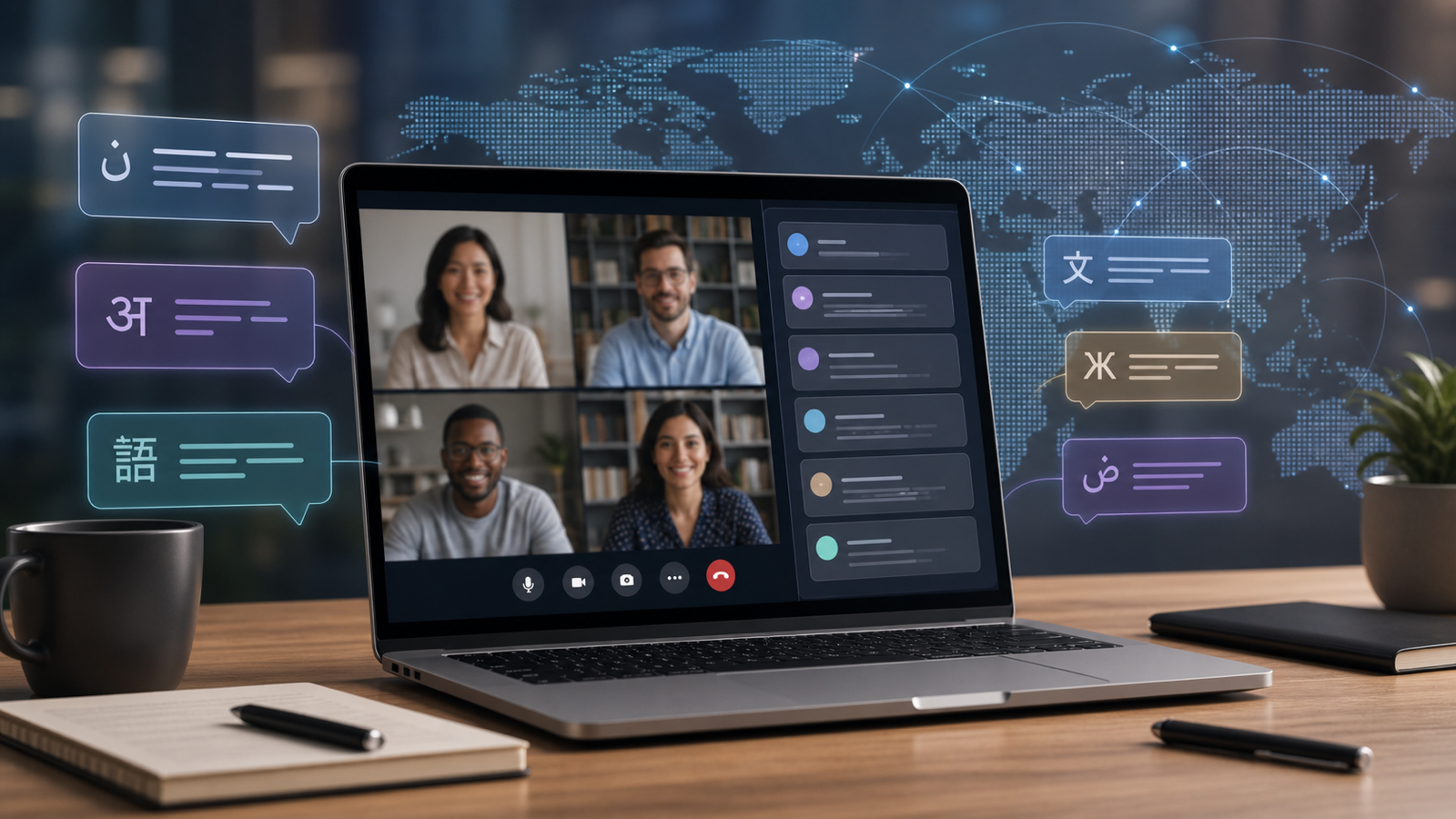
Many professional meetings do not happen in English. Sales calls, interviews, customer support conversations, founder calls, agency meetings, and global team syncs often happen in Spanish, French, German, Hindi, Portuguese, Japanese, Dutch, Russian, Italian, and many other languages or regional variants.
OLVA is designed for multilingual meeting workflows. It supports an Auto multilingual mode for common languages and also allows users to select a specific transcription language when a meeting needs tighter control.
Why language control matters
Automatic detection is convenient when you want the assistant to adapt. Specific language selection is useful when the meeting is mostly in one language, when accents or terminology are important, or when the language is outside the default automatic set.
This matters because the transcript is the foundation for downstream AI features. Better language handling can improve live question detection, AI Boost answers, summaries, insights, and search.
Multilingual meetings are normal work
Global teams should not have to treat non-English meetings as a special case. OLVA's meeting intelligence is meant to support the way people actually speak at work. That includes conversations conducted entirely in a non-English language, not only meetings that occasionally switch languages.
What users can do with multilingual transcripts
Once a meeting is transcribed, OLVA can help you review the discussion, search for key moments, summarize the conversation, capture action items, and use meeting memory for follow-up. For customer-facing teams, this makes multilingual calls easier to operationalize after the meeting ends.
The practical outcome is simple: OLVA helps professionals use AI meeting assistance in more of the conversations that matter, not just the English ones.